

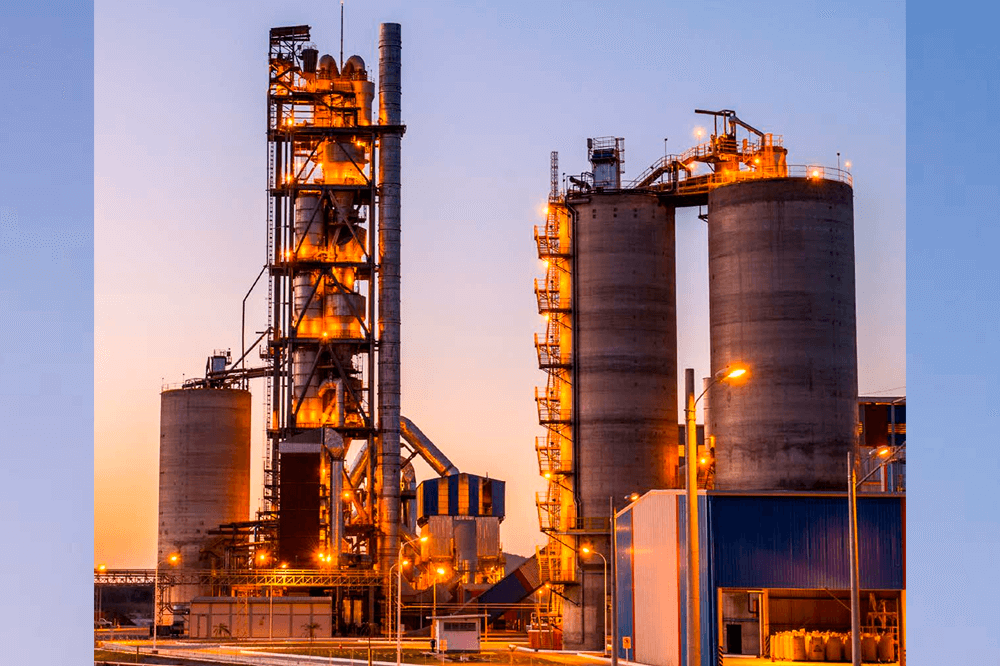
ITACAMBA APOSTS ON CO-PROCESSING to reduce emissions and recover waste
Replacing part of the natural gas used in the production of clinker the main input of the cement industry with industrial, special, municipal waste and biomass is one of Itacamba Cemento S.A.'s commitments to sustainability.
ISSUE 144 | 2025
Raúl Serrano
Itacamba Cemento S.A. is promoting a pioneering co-processing project in Bolivia aimed at replacing part of the natural gas used in clinker production the main component of cement with industrial, special, municipal waste and biomass, used as raw materials for energy recovery. The goal is to reduce greenhouse gas emissions and make use of waste that currently ends up in open-air landfills.
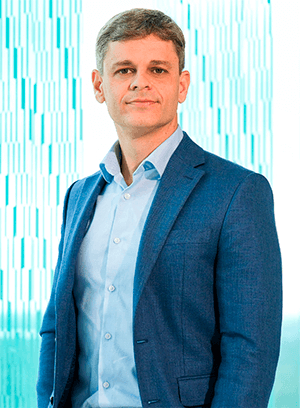
1.- What skills does a good manager need to achieve and maintain their goals?
From my experience, a good manager needs a combination of strategic vision to anticipate the future, inspiring and empathetic leadership to motivate the team, and effective communication to ensure clarity at all levels. Adaptability and resilience are also key in the face of change, along with critical thinking for problem-solving and a results-oriented mindset with a focus on quality while never neglecting the importance of developing and managing the team's talent.
2.- What is Marcelo Morales’ biggest challenge at Itacamba Cemento S.A.?
My biggest challenge at Itacamba is achieving a dynamic balance between operational efficiency and sustained growth, always with a strong commitment to sustainability and constant adaptation to Bolivia’s evolving market. This involves optimizing costs and processes, identifying and seizing opportunities for profitable expansion, leading the transition toward cleaner and more socially responsible operations, and ensuring that our organizational culture attracts and retains the best talent.
3.- Is it difficult to commit to corporate sustainability in the cement industry?
Yes, committing to corporate sustainability in the cement industry is a considerable challenge but it is absolutely necessary and strategic. This path is essential to improving operational efficiency, strengthening our reputation, attracting talent, driving innovation, and ensuring the company’s long-term viability in an increasingly aware global environment.
Globally, 90% of emissions from the cement production process come from clinker manufacturing. To reduce these emissions, Itacamba aims to reach at least 10% thermal substitution with alternative fuels by 2030, following models such as Germany (60% co-processing) and Brazil (12%).
REGULATORY FRAMEWORK
Despite the lack of specific regulations in Bolivia, the company worked with the Ministry of Environment on a draft regulation to provide technical and legal certainty for this technology. Since 2021, they have already co-processed over 860 tons of their own waste, avoiding landfill disposal and saving costs for the Puerto Suárez municipality.
The project is complemented by an agreement with Swedish cooperation agency Helvetas, enabling municipalities to design Municipal Integrated Waste Management Programs and urban sanitation fees. Meanwhile, Itacamba Cemento S.A. will build collection points and train the population in proper waste separation.
“With kilns operating at high temperatures and strict environmental controls, co-processing allows for the complete destruction of waste, integrating ashes into the clinker without generating additional residues,” the company noted. Gas emission tests using end-of-life tires showed results well below the permissible limits set by current regulations for compounds such as dioxins and furans.
In addition, the cement company is working to reduce the clinker content in its products by incorporating industrial by-products and already supplies 40% of the electricity for its Santa Cruz distribution center through solar panels, with surplus energy fed into the grid.
GREEN PROTOCOL
Reducing net and gross CO₂ emissions, increasing the use of alternative energy and non-natural raw materials these are key goals in Itacamba Cemento S.A.’s 2030 Sustainability Roadmap. The company was founded with Bolivia’s construction sector in mind.
Since 2017, the company has adopted a sustainability-focused approach across various areas including health and safety, energy efficiency, operational efficiency, climate change, environment and biodiversity, circular economy, and corporate social responsibility. This year, particular emphasis was placed on water management plans, including reduced consumption and biodiversity protection in sensitive areas.
A COMPREHENSIVE COMMITMENT TO SUSTAINABILITY
The project goes beyond the plant itself. Itacamba Cemento S.A. signed an agreement with Swedish cooperation (Helvetas) to assist municipalities in Santa Cruz in drafting regulations, waste management programs, and establishing sanitation fees. Activities include the installation of suitable collection points to facilitate source separation essential for co-processing and environmental education campaigns.
“It’s important to emphasize that not all waste is suitable for co-processing: proper conditioning, separation, and pretreatment are required,” highlighted Alejandra Araúz, the company’s sustainability and innovation coordinator.
ENVIRONMENTAL ADVANTAGES AND STRICT CONTROL
Co-processing in cement kilns differs from simple incineration. Thanks to high temperatures and residence times, waste is completely destroyed, without leaving residual ash, since the ashes are incorporated into the clinker while maintaining environmental safety and product quality.
Furthermore, the process is monitored under strict controls: gas emission tests using end-of-life tires yielded results far below the limits allowed in Bolivia and Brazil for compounds such as dioxins and furans, enabling the environmental approval of the project license.
MORE GREEN INITIATIVES UNDERWAY
Itacamba is also working to lower the proportion of clinker in cement by innovating with new additives within a circular economy concept. In terms of energy, it already generates 40% of the electricity used in its administrative offices at the Santa Cruz distribution center with solar panels, and as of June, it began feeding surplus energy into the local grid.
For now, since its main plant is isolated from the electrical grid, installing renewable energy systems to power its primary production requires over-dimensioning to maintain process stability. However, the company continues to explore alternatives to diversify its energy matrix without compromising operational reliability.